
<!-- article_id: junda-latex-gloves-south-america-procurement -->
Sourcing a reliable latex gloves manufacturer for medical examination dental laboratory and cleaning in South America means matching one product family to several very different tasks. A dental laboratory handling impression materials, a clinic running examinations, and a cleaning crew working with detergents do not need the same glove. This guide explains how to structure a request so your supplier can quote accurately, and which details you should confirm before committing to a purchase order.
Why one "latex gloves" line rarely fits every task
Natural-latex disposable gloves are used across examination, household and long-cuff programs, but options vary by exact model, size, surface and packaging. That variation matters commercially: a thinner, smooth examination glove and a heavier long-cuff glove are different SKUs with different piece weights, carton configurations and freight implications.
Before you request pricing, separate your demand into task groups:
- Medical examination — buyers typically prioritise consistent fit, tactile sensitivity and a clean, well-sealed box presentation.
- Dental laboratory — tasks may involve longer wear periods and contact with materials that make cuff length and surface grip worth reviewing.
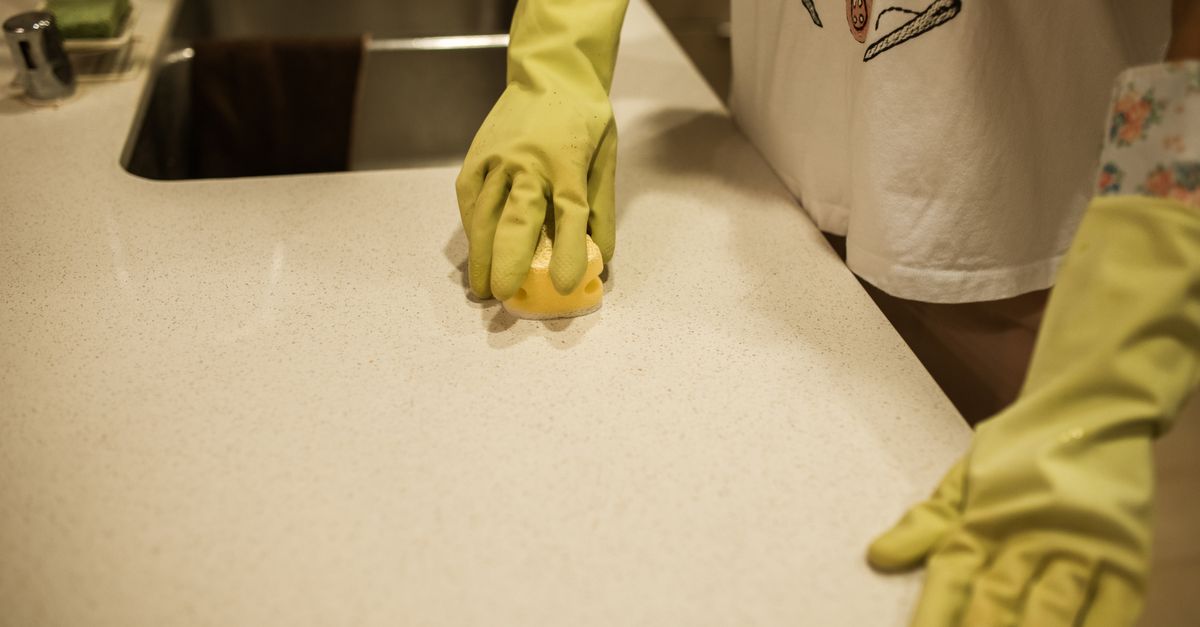
- Cleaning and household — longer cuffs and a more durable feel are often requested, and buyers may accept different packaging economics than clinical users.
Compare material, texture, thickness and cuff choices against your actual task rather than assuming one specification is universally suitable. If you are still narrowing the range, review the disposable latex gloves range and the Yuelong A3 latex protective gloves as starting points, then confirm the exact SKU with our team.
Reference specifications you can use as a starting point
The following values come from a user-supplied reference sheet. They are model-specific and indicative, not universal specifications, and must be confirmed against the exact SKU, current packing list and destination market before quotation or shipment.
- Standard 9-inch latex examination / food-handling reference: natural latex, 24 cm length, 6.5 g/pc reference piece weight.
- Reference packing: 100 pcs/box, 10 boxes/carton; box 24 × 12.5 × 7.5 cm; carton 39 × 26.5 × 25.5 cm; indicative carton weight about 6.5 kg.
- Unit-packed two-piece/pair packaging can be discussed as a project option; exact pieces, pairs and sterilization requirements must be confirmed.
Piece weight, net weight and carton gross weight are not the same number
This is one of the most common sources of quotation confusion in glove procurement:
- Piece weight is the weight of a single glove — in the reference above, about 6.5 g.
- Net weight is the total glove weight in a carton, excluding packaging.
- Carton gross weight includes gloves, boxes, carton board and any inserts — the figure that actually drives freight and manual handling.
A 6.5 g reference piece weight across 1,000 pieces implies roughly 6.5 kg of gloves, but the indicative carton weight of about 6.5 kg in the reference packing reflects the full packed carton as configured. Always ask your supplier to state which figure they are quoting, and confirm carton measurements, gross weight and container loading for your exact configuration.
Documentation: confirm by product and destination market
South American markets differ in their import documentation expectations, and requirements can change. We do not treat certification marks or logos visible in promotional artwork as proof of current certification — artwork is not a verified document.
For every order, ask for the specific documents relevant to your product and destination, and have your importer or customs broker validate them. Exact documents must be confirmed by product and destination market. Build this confirmation into your purchase timeline rather than assuming it will be resolved at shipment.
What actually drives your unit price
We do not publish a numeric lowest unit price, because unit price depends on several variables that change from order to order:
- Material and exact model
- Piece weight and thickness
- Size mix (S/M/L/XL ratios affect packing efficiency)
- Box and carton configuration
- Artwork and branding requirements
- Order quantity
- Destination port and freight terms
- Incoterm (FOB, CIF, CFR and others shift cost and risk between parties)
To receive a usable quotation, send us the exact SKU, target quantity, packaging preference, destination port and preferred Incoterm. With those five inputs, pricing becomes comparable across suppliers instead of a set of numbers that are not quoted on the same basis.
Building a South America–ready enquiry
A structured enquiry shortens the back-and-forth considerably. Include:
- Application split — how much of your volume is examination, dental laboratory and cleaning use.
- Specification — length, cuff type, surface (smooth or textured), and any thickness preference.
- Size mix — your expected ratio across sizes.
- Packaging — box count per carton, artwork needs, and whether unit-packed pairs are required.
- Logistics — destination port, Incoterm, and whether you need container loading estimates.
- Documentation — the specific documents your market requires, for verification against the exact product.
If you are comparing suppliers, ask each one to quote on the identical brief above. That is the only way to compare like with like.
Next step
Send your application split, target specification, size mix, packaging preference, destination and Incoterm to the Junda Gloves export team. We will confirm the exact SKU, current packing list, carton measurements, gross weight and container loading before issuing a quotation, and we will flag any documentation that must be verified for your destination market.
This article was prepared with automation assistance and reviewed against Junda's product and export-content rules.
---
JUNDA Gloves (Guangzhou, China, founded 1993) manufactures latex protective, disposable nitrile / latex / PVC and medical gloves, with certifications confirmed per model (EN 374, EN 455, FDA 510(k), ISO 9001 / 13485). OEM / ODM programs and samples available: www.jundagloves.com.