
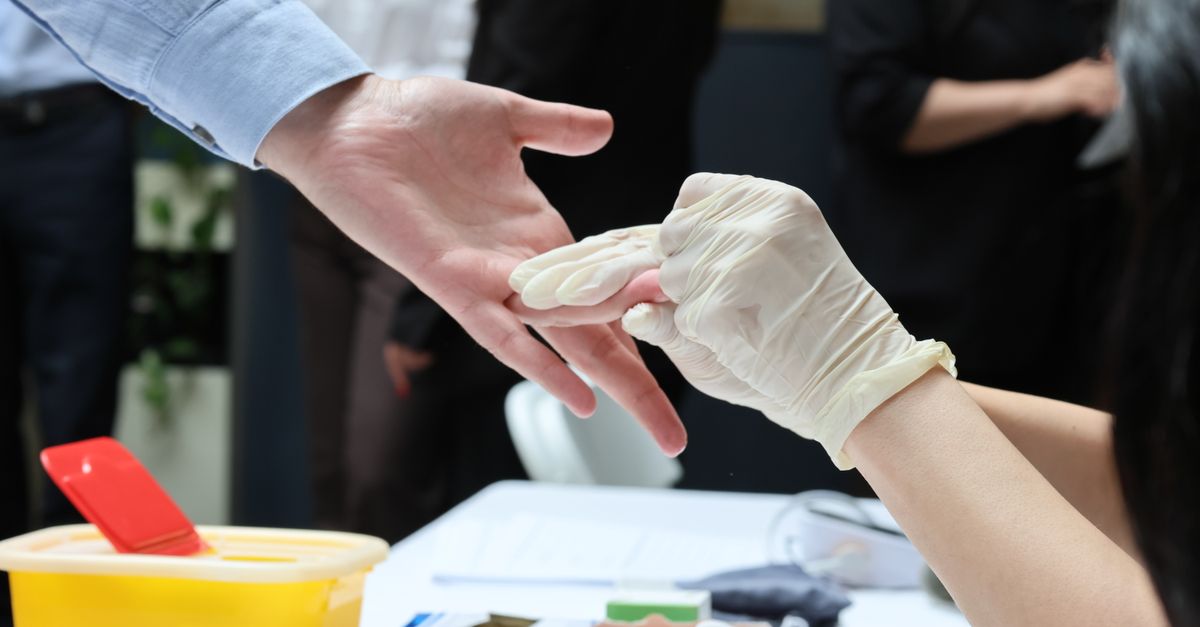
Sourcing a medical examination gloves manufacturer for medical examination dental care and laboratory in South America is less about finding the longest list of suppliers and more about matching a glove program to the tasks your customers actually perform. Examination rooms, dental chairs and laboratory benches place different demands on a glove — fit, tactile feel, cuff length, material compatibility and packaging format all matter — and those demands should drive the specification before price is discussed. This guide sets out the practical questions a South American distributor, clinic group or laboratory supplier should settle with any manufacturer before requesting a quotation.
Start with the task, not the product name
"Examination glove" covers a wide range of products. Before comparing offers, map the end use:
- Routine medical examination: short, high-volume wear where fit, donning ease and consistent piece weight matter more than barrier thickness.
- Dental care: prolonged procedures with fine instrument handling; buyers often weigh tactile sensitivity against tear resistance, and may prefer a slightly different texture or thickness than a general exam glove.
- Laboratory work: chemical and sample handling where glove choice should be checked against the specific substances and tasks involved — no single glove is universally suitable for every laboratory exposure.
For each task, confirm the material (nitrile or latex), the surface texture, the nominal piece weight, the cuff style and the packaging format. Junda's approved product context covers examination, sterile unit-packed and surgical program directions; registration, sterilization, standards and market access must be confirmed product by product and market by market. That means the specification conversation and the documentation conversation should happen together, not one after the other.
Material and specification choices buyers should compare
Junda's reference sheet gives model-specific values that are useful for early planning, but they are reference values only — not universal specifications. Confirm the exact SKU, current packing list, carton measurements, gross weight, container loading and destination-market documents before quotation or shipment.
Nitrile examination (standard 9-inch reference): 24 cm length, with model-dependent 3.5 g, 5 g or 6 g options. Nitrile is often considered where latex sensitivity is a concern, but buyers should verify the actual product documentation rather than relying on general assumptions.
Latex examination / food-handling (standard 9-inch reference): natural latex, 24 cm length, with reference weights of 6.3 g/pc and 5.0 g/pc (size M).
Sterile unit-packed: two-piece/pair unit packaging can be discussed as a project option. Exact pieces, pairs and sterilization requirements must be confirmed — this is a specification decision, not a catalogue default.
A useful discipline is to compare offers at the same piece weight and size mix. A 3.5 g and a 6 g nitrile glove are different products with different material consumption, and a quotation that does not state piece weight is difficult to compare fairly.
Packing, carton weight and container planning
Packing configuration drives freight economics in South America, where inland leg costs can be significant relative to ocean freight. The reference values below are indicative and model-specific, subject to actual loading:
| Reference product | Box / carton (size M, approx.) | Carton size | Gross weight (approx.) |
|---|---|---|---|
| Nitrile 4.0 g | 100 pcs/box, 10 boxes/carton (1,000 pcs) | 36.5 × 23.5 × 23.5 cm | 4.5 kg |
| Nitrile 3.5 g | 100 pcs/box, 10 boxes/carton (1,000 pcs) | 32.5 × 23 × 22 cm | 4.0 kg |
| Latex 6.3 g | 100 pcs/box, 10 boxes/carton (1,000 pcs) | 39 × 26.5 × 25.5 cm (0.0264 m³) | 6.8 kg |
| Latex 5.0 g | 100 pcs/box, 10 boxes/carton (1,000 pcs) | 32.5 × 23 × 22 cm (0.0164 m³) | 5.5 kg |
Indicative cartons per container from the same reference sheet: nitrile 20GP approx. 1,650–1,800, 40GP approx. 3,350–3,650, 40HQ approx. 3,800–4,150; latex 6.3 g 20GP approx. 1,252, 40GP approx. 2,542, 40HQ approx. 2,883; latex 5.0 g 20GP approx. 2,006, 40GP approx. 4,074, 40HQ approx. 4,621. These figures are for planning only and must be re-confirmed against the actual SKU and loading plan.
Keep three weights separate in your own comparison sheet:
- Piece weight — grams per glove, the specification driver.
- Net weight — the gloves themselves, excluding packaging.
- Carton gross weight — what the freight forwarder and customs paperwork will reflect.
Mixing these up is one of the most common causes of landed-cost surprises.
Quotation variables and MOQ
There is no meaningful single unit price for examination gloves. Unit price depends on material, piece weight, size mix, box and carton configuration, artwork, order quantity, destination and freight terms. Junda does not publish a numeric lowest unit price; buyers should request a quotation against a defined requirement.
To get a comparable quote, state the exact SKU or reference, quantity, size mix, packaging and artwork requirements, destination port or city, and the Incoterm you want to quote on. Payment terms follow the quotation and contract.
MOQ for disposable gloves is by full container — 40HQ, 40GP or 20GP (40FT means 40GP). Latex protective gloves carry a MOQ of 10,000 pairs (JUNDA brand or OEM). For buyers new to container planning, the buying terms page explains how these thresholds work in practice.
Samples, lead time and documentation
Samples are free; the buyer's own international courier collects them from the Guangzhou factory and the buyer pays the courier directly. Contact Junda by email or WhatsApp before booking the collection so the sample request and SKU are logged correctly.
Lead time is 15–30 days, with the exact date confirmed with the order.
On certificates: masked previews are available on the Quality page, and full documents are available on request. Logos or certification marks visible in promotional artwork are not proof of current certification — always request the actual document for the exact product and confirm it is valid for your destination market. Registration and market-access requirements vary across South America, so this check belongs in the quotation stage, not after the container is booked.
Building a South America-ready glove program
A practical sequence for distributors and clinic groups:
- Define the task profile for each glove line (examination, dental, laboratory).
- Fix material, piece weight, texture and cuff per line.
- Choose packaging — bulk box or sterile unit-packed — and confirm the packing list.
- Request samples and test them against the actual task.
- Request a quotation with SKU, quantity, size mix, destination and Incoterm.
- Confirm destination-market documents and registration requirements product by product.
- Re-confirm carton dimensions, gross weight and container loading before shipment.
For product-level detail, see medical nitrile examination gloves and sterile unit-packed gloves. Buyers comparing program directions should also review the buying terms before finalising quantities.
The strongest supplier relationship in this category is built on verified documents and a clearly written specification — not on a headline price. Confirm every product-specific claim against the exact SKU and your destination market before you commit.
This article was prepared with automation assistance and reviewed against Junda's product and export-content rules.