
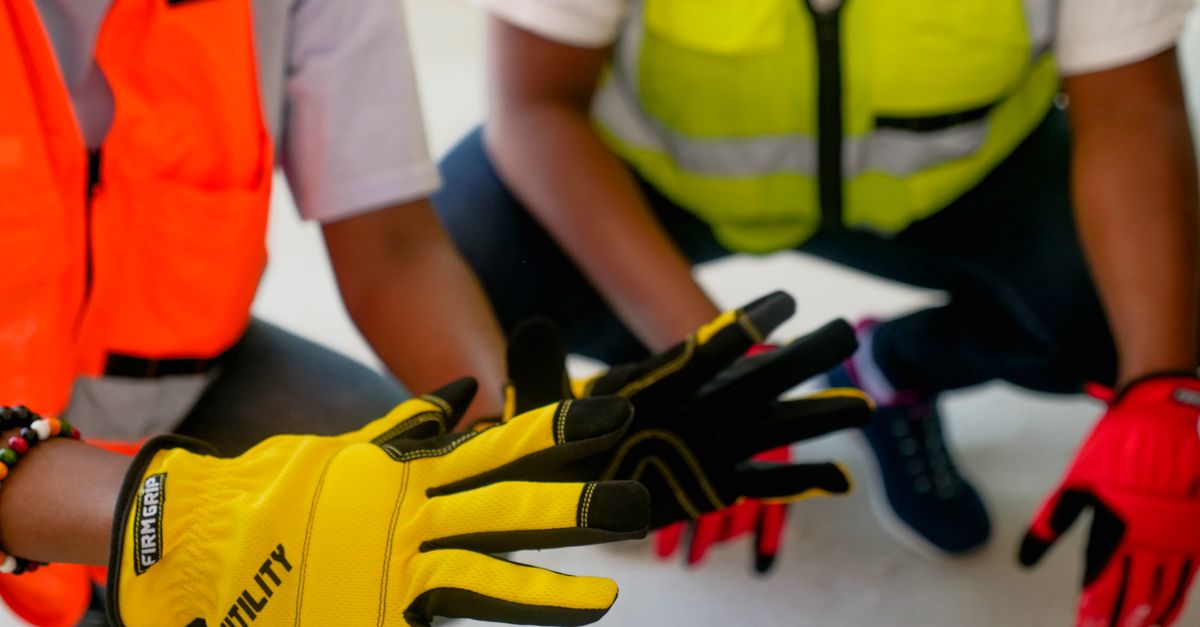
Sourcing gloves for workshops, fleet maintenance and machinery servicing is not the same as buying general-purpose disposables. When you are evaluating an industrial protective gloves manufacturer for automotive machinery oil handling and maintenance in New Zealand, the useful questions are about task fit, packing consistency and documentation — not just a headline price. This guide sets out how to compare options and what to confirm before you request a quotation.
Start with the task, not the product name
Automotive and machinery maintenance covers several different exposures:
- Oil and grease handling — draining, filter changes, parts wiping, where oil resistance and a secure grip matter.
- Wet work and cleaning — parts washing, degreasing, workshop cleaning, where a heavier disposable nitrile or a latex protective glove may be considered.
- Mechanical handling — moving components, tools and fittings, where abrasion and tear resistance become more important than chemical resistance alone.
No single glove is universally suitable for all of these. Material, piece weight, surface texture and cuff length should be matched to the actual task, and suitability requires task-specific assessment. A glove that performs well for light oil contact may not be the right choice for sustained wet-grip work, and vice versa.
Comparing the two main directions
Junda's approved product context covers two directions that are relevant to this buyer profile:
- Latex protective gloves — supplied one pair per bag in sizes S/M/L, with construction, grip and cuff varying by model. These are positioned for industrial cleaning, maintenance, automotive and wet-work use. See /products/junda-lanlang-industrial-latex-gloves.
- Heavier disposable nitrile — a direction that covers industrial cleaning, maintenance, automotive and wet-work use, with construction, grip, cuff and documentation varying by model. See /products/disposable-nitrile-gloves.
For oil handling specifically, buyers often compare nitrile and latex directions on grip texture and cuff length before deciding. The right answer depends on whether the priority is oil contact, wet grip, mechanical abrasion or cleaning chemistry — and on how long each pair needs to last in your workshop.
Reading the reference specifications correctly
The values below are model-specific reference-sheet figures supplied by the buyer side, not universal specifications. They are useful for early logistics planning, but the exact SKU, current packing list, carton measurements, gross weight, container loading and destination-market documents must be confirmed before quotation or shipment.
Heavy-duty orange diamond-texture nitrile (reference model):
- 7–8 g/pc
- 50 pcs/box; 10 boxes/carton
- Box: 24 × 12.5 × 7.5 cm
- Carton: 39 × 26.5 × 25.5 cm
- Indicative carton weight: about 4.5 kg
Latex protective gloves (reference range, by length):
| Length | Weight per pair | Pairs/carton | Carton size | N.W. / G.W. | 20GP / 40GP / 40HQ (approx. cartons) |
|---|---|---|---|---|---|
| 32 cm | 60–110 g | 200 | 59 × 37 × 24.5 cm (0.0535 m³) | 20 / 22 kg | 617 / 1,252 / 1,421 |
| 38 cm | 90–130 g | 200 | 60 × 45 × 25.5 cm (0.0689 m³) | 22 / 24 kg | 479 / 973 / 1,103 |
| 45 cm | 120–140 g | 150 | 50 × 30 × 40 cm (0.06 m³) | 21 / 23 kg | 550 / 1,116 / 1,266 |
| 55 cm | 170–200 g | 150 | 65 × 35 × 35 cm (0.0796 m³) | 28.5 / 30.5 kg | 414 / 841 / 954 |
Note the distinction between piece weight (grams per glove or per pair), net weight (product only) and carton gross weight (product plus packaging). Freight and storage planning should use gross weight and carton volume, not piece weight alone. The 32–55 cm latex figures are an approximate custom OEM range and are subject to actual loading.
What drives the unit price
There is no single lowest unit price that applies across this category. Unit price depends on:
- material and piece weight
- size mix
- box and carton configuration
- artwork and branding
- order quantity
- destination and freight terms
Because these variables interact, the practical step is to request a quotation with your exact requirements rather than compare headline numbers. Confirm the exact SKU, quantity, packaging, destination and Incoterm when you enquire.
MOQ, samples and lead time
- Disposable gloves: MOQ is by full container — 40HQ / 40GP / 20GP (40FT = 40GP).
- Latex protective gloves: MOQ 10,000 pairs (JUNDA brand or OEM).
- Samples: free. The buyer's own international courier collects from our Guangzhou factory and the buyer pays the courier directly. Please contact us by email or WhatsApp before booking.
- Lead time: 15–30 days; the exact date is confirmed with the order.
For the full terms, see /buying.
Documentation and verification for New Zealand buyers
Certification marks or logos visible in promotional artwork are not proof of current certification. Masked previews are available on the Quality page, and full documents can be requested. Exact documents must be confirmed by product and destination market — including any import, labelling or compliance requirements that apply to your shipment. Build this confirmation into your purchasing timeline rather than assuming it at the enquiry stage.
A practical checklist before you enquire
- Describe the task: oil contact, wet grip, abrasion, cleaning chemistry, duration of wear.
- State the preferred direction (latex protective or heavier nitrile) and any cuff or texture preference.
- Give sizes and size mix.
- Confirm packaging expectations (pair per bag, box count, carton configuration).
- State quantity and whether you need JUNDA brand or OEM.
- Name the destination port and Incoterm.
- Ask for the current packing list and carton data for the exact SKU.
- Request the documents relevant to your market.
Working through this list before you contact an industrial protective gloves manufacturer for automotive machinery oil handling and maintenance in New Zealand keeps the quotation comparable and reduces surprises at shipment.
This article was prepared with automation assistance and reviewed against Junda's product and export-content rules.