
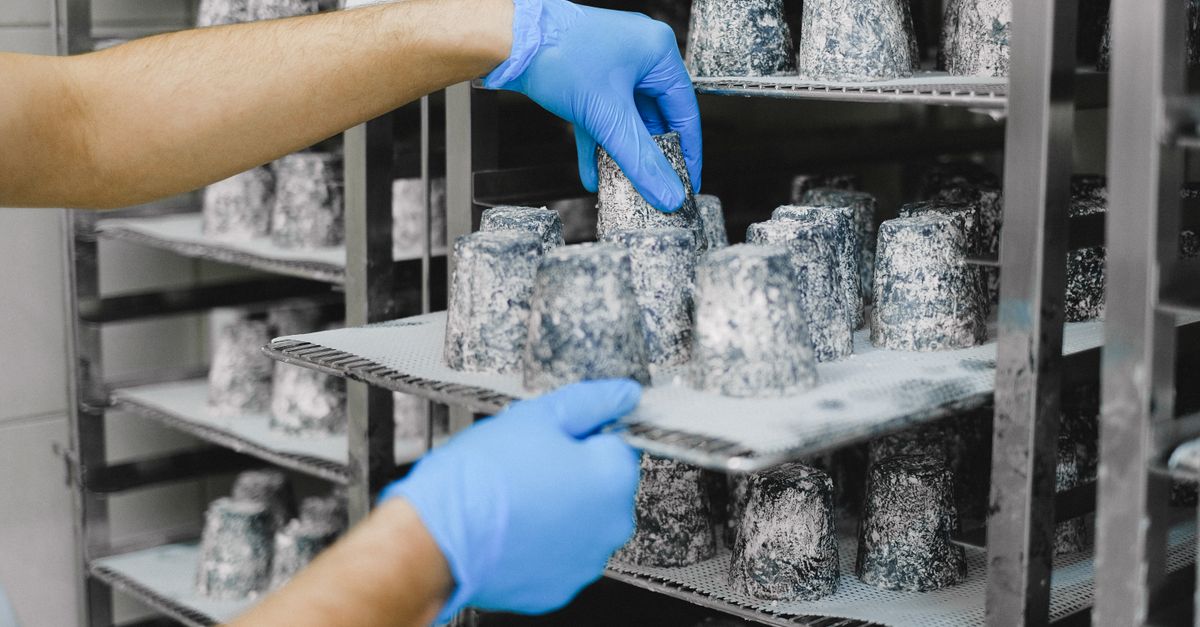
Working with a food handling gloves manufacturer for meat seafood bakery catering and kitchen work in Japan means matching gloves to very different daily tasks — from wet fish counters and raw meat preparation to dry bakery handling and front-of-house catering service. This guide is written for importers, distributors and food-service buyers across Asia who need a clear, practical way to compare options before requesting a quotation.
Start with the task, not the material name
The same kitchen can need several glove types. Before choosing a material, describe the actual work:
- Meat and poultry preparation: wet, fatty surfaces and frequent glove changes. A textured surface and a secure fit often matter more than a thin profile.
- Seafood and fish counters: wet handling, cold surfaces and slip risk. Grip and consistent sizing are usually the priority.
- Bakery and pastry: dry or lightly oily handling where tactile feel and clean appearance matter.
- Catering and front-of-house service: short-wear tasks with frequent changes, where box format and dispensing speed affect workflow.
- Cleaning and back-of-house: tasks that may sit outside direct food-contact use and can be matched to a different specification.
Write these tasks down and share them with your supplier. A glove that suits raw meat prep is not automatically the best choice for plating desserts, and vice versa. There is no universal "best" glove — only the best match for a defined task.
Material options and where each tends to fit
Junda's food handling glove programs cover disposable nitrile, latex and PVC options, matched to food handling, packaging and cleaning applications. As a starting comparison:
- Nitrile: a common direction for buyers who want a powder-free, textured option and who handle oily or fatty foods. Reference specifications include black or white nitrile with powder-free and textured-surface directions depending on the exact SKU.
- Natural latex: often considered where elasticity and a close fit are valued. Reference specifications include natural latex, 24 cm length, in 6.3 g and 5.0 g reference weights (size M).
- PVC: generally positioned for tasks where a lower-cost disposable option is acceptable and the task profile allows it.
These are directions, not universal claims. The right choice depends on the food type, wear time, change frequency, climate and the buyer's own handling rules. Confirm the exact SKU and its intended use with your supplier before committing.
Piece weight, net weight and carton gross weight — keep them separate
A frequent source of confusion in glove procurement is weight. Three different numbers are often mixed together:
- Piece weight: the weight of a single glove, for example a 3.5 g, 4.0 g or 6.3 g reference.
- Net weight: the total glove weight in a carton, excluding packaging.
- Carton gross weight: the full shipped weight of the carton, including gloves, boxes and the carton itself.
Only the carton gross weight is directly useful for freight planning, and it must be confirmed against the actual packing list. The values below are model-specific reference values, not universal specifications.
Nitrile reference packing (size M, approximate)
- 100 pcs/box, 10 boxes/carton (1,000 pcs).
- Nitrile 4.0 g: carton 36.5 × 23.5 × 23.5 cm, gross approx. 4.5 kg.
- Nitrile 3.5 g: carton 32.5 × 23 × 22 cm, gross approx. 4.0 kg.
- Standard 9-inch nitrile reference: 24 cm length; model-dependent 3.5 g, 5 g or 6 g options.
- Cartons per container (nitrile reference): 20GP approx. 1,650–1,800; 40GP approx. 3,350–3,650; 40HQ approx. 3,800–4,150.
Latex reference packing (size M, approximate)
- 100 pcs/box, 10 boxes/carton (1,000 pcs); box 24 × 12.5 × 7.5 cm.
- Latex 6.3 g: carton 39 × 26.5 × 25.5 cm, 0.0264 m³, gross approx. 6.8 kg; 20GP approx. 1,252, 40GP approx. 2,542, 40HQ approx. 2,883 cartons.
- Latex 5.0 g: carton 32.5 × 23 × 22 cm, 0.0164 m³, gross approx. 5.5 kg; 20GP approx. 2,006, 40GP approx. 4,074, 40HQ approx. 4,621 cartons.
Treat all container figures as indicative. Actual loading depends on the confirmed SKU, packing configuration and how the cartons are stacked. Always confirm the current packing list, carton measurements, gross weight and container loading before quotation or shipment.
Food-contact documentation for Japan
Food-contact requirements are set by the destination market and by the specific product, not by a general product category. Documentation that applies to one SKU or one market may not cover another. Before ordering, ask your supplier to confirm which food-contact documents apply to the exact product and the Japanese market, and review them yourself.
Two cautions are worth repeating:
- Logos and certification marks in promotional artwork are not proof of current certification. Artwork can be outdated or refer to a different product. Request the actual documents.
- Reference-sheet values are user-supplied references, not universal specifications. Confirm the exact SKU, current packing list, carton measurements, gross weight, container loading and destination-market documents before quotation or shipment.
At Junda, masked certificate previews are available on the Quality page, and full documents can be provided on request.
Building a practical order for a Japanese buyer
Japanese food-service and retail buyers often care about consistency: the same glove feel, the same box format and the same carton count order after order. A few practical steps help:
- Fix the SKU early. Material, colour, piece weight, surface texture, length and cuff style should all be written into the order, not left to "similar."
- Confirm the box and carton format. Box dimensions affect shelf and dispenser fit; carton dimensions affect freight and warehouse handling.
- Plan the size mix. Size distribution changes the effective carton weight and the number of boxes you actually need.
- Check the artwork. Logo and label artwork should be approved against the exact SKU, and artwork approval is separate from document verification.
- Agree the Incoterm and destination. Freight terms and port of discharge change the landed cost calculation.
Quotation variables — why there is no single unit price
Unit price for disposable gloves depends on several variables that move independently:
- material (nitrile, latex or PVC) and piece weight;
- size mix;
- box and carton configuration;
- artwork and branding requirements;
- order quantity;
- destination market and port;
- freight terms (Incoterm).
Because these variables interact, a numeric lowest unit price should only be given against a current approved quotation. The practical approach is to send your requirement — exact SKU or closest reference, quantity, packaging preference, destination and Incoterm — and ask for a quotation. Junda's export team can then confirm price and packing against the actual product.
MOQ, samples and lead time
- MOQ: disposable gloves are quoted by full container — 40HQ / 40GP / 20GP (40FT = 40GP). Latex protective gloves have an MOQ of 10,000 pairs (JUNDA brand or OEM).
- Samples: free. The buyer's own international courier collects samples from our Guangzhou factory, and the buyer pays the courier directly. Please contact us by email or WhatsApp before booking the courier.
- Lead time: 15–30 days; the exact date is confirmed with the order.
- Certificates: masked previews on the Quality page; full documents available on request.
- Payment: terms follow the quotation and contract.
For buying-term details, see /buying.
Product pages to review next
- Disposable nitrile gloves: /products/disposable-nitrile-gloves
- Disposable latex gloves: /products/disposable-latex-gloves
A short pre-quotation checklist
Before you request pricing, prepare:
- The task list (meat, seafood, bakery, catering, cleaning) and expected wear time.
- Preferred material and colour, or ask for a comparison.
- Reference piece weight and surface texture.
- Box and carton format, and required size mix.
- Order quantity and container plan.
- Destination port and Incoterm.
- The food-contact documents you need for the Japanese market.
Sending these together shortens the quotation cycle and reduces the risk of a mismatch between what you order and what your kitchen actually needs.
This article was prepared with automation assistance and reviewed against Junda's product and export-content rules.